In the fast-paced and highly liquid world of the foreign exchange (forex) market, traders are constantly searching for an edge to stay ahead. Success in forex trading isn’t based purely on intuition or luck—it relies heavily on the use of effective tools, analytical systems, and disciplined trading strategies. Whether you’re a novice trying to grasp the basics or an experienced trader refining your strategy, having the right tools at your disposal can make all the difference.
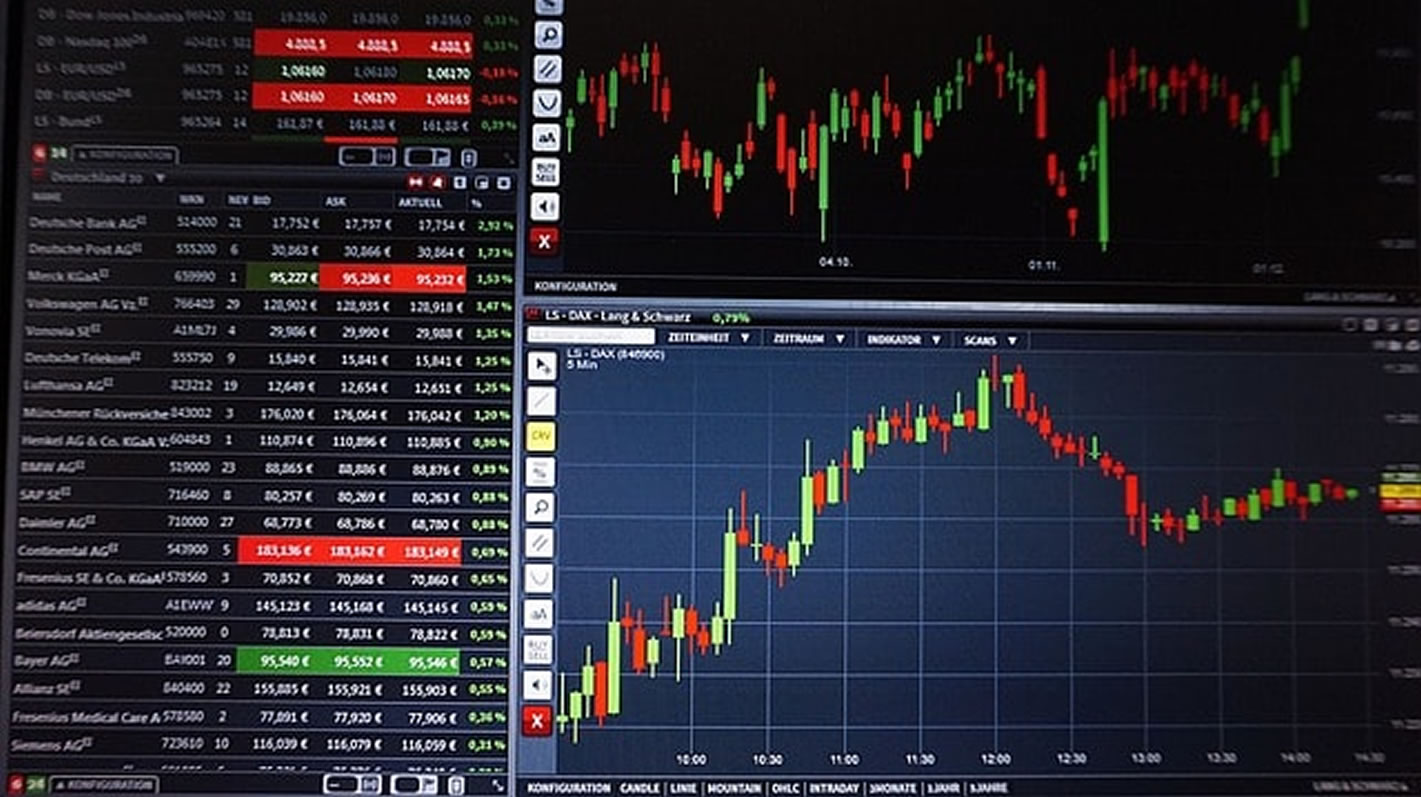
One of the first things a trader encounters in forex trading is chart analysis. Charts visually represent currency price movements over time, allowing traders to interpret patterns, trends, and momentum shifts. Among the most commonly used chart types are Line, Bar, and Candlestick charts, each offering a unique way to view market data. Line charts are simple and ideal for identifying long-term trends, bar charts provide more detail on price ranges, and candlestick charts offer deep insights into market sentiment and potential reversals. Understanding how to read and interpret these charts is the foundation of effective technical analysis in forex trading.
Below, we explore the essential tools every forex trader should use to enhance decision-making, minimize risks, and maximize profitability.
1. Economic Calendar
The economic calendar is one of the most fundamental tools for forex traders. It tracks major economic events, data releases, and policy announcements that can influence currency movements.
Reports like GDP growth, employment data, inflation rates, and central bank interest rate decisions have a direct impact on currency values. For instance, stronger-than-expected U.S. Non-Farm Payrolls may strengthen the USD, while dovish statements from the European Central Bank could weaken the EUR.
By following an economic calendar, traders can anticipate market volatility and plan trades accordingly—either to capitalize on sharp movements or to avoid unnecessary exposure.
Popular tools:
Investing.com Economic Calendar
Forex Factory Calendar
DailyFX Economic Calendar
2. Trading Platforms (MetaTrader 4/5, cTrader, TradingView)
The trading platform is the trader’s primary interface with the market. It provides access to live prices, charting tools, indicators, and trade execution capabilities.
MetaTrader 4 (MT4): Known for its user-friendliness and reliability, MT4 is still the most popular forex trading platform. It supports automated trading through Expert Advisors (EAs) and offers a wide range of customizable indicators.
MetaTrader 5 (MT5): A more advanced version with additional timeframes, order types, and asset classes.
cTrader: Preferred by some traders for its clean interface and depth-of-market features.
TradingView: An excellent tool for chart analysis and social trading—allowing traders to share strategies and ideas.
Choosing the right platform depends on your trading style, but all serious traders need one that is stable, fast, and compatible with their broker.
3. Technical Analysis Tools and Indicators
Technical analysis remains the backbone of most forex trading strategies. It helps traders identify price patterns, trends, and potential entry or exit points.
Essential indicators include:
Moving Averages (MA): To identify trends and dynamic support/resistance levels.
Relative Strength Index (RSI): To gauge overbought or oversold conditions.
Bollinger Bands: To measure market volatility.
Fibonacci Retracement: To identify possible reversal points.
MACD (Moving Average Convergence Divergence): For trend confirmation and momentum analysis.
Modern trading platforms integrate these tools seamlessly, but third-party analytical software can provide deeper insights and custom indicators for advanced users.
4. Fundamental Analysis Tools
While technical analysis studies price behavior, fundamental analysis focuses on the underlying economic and political factors affecting currencies.
Traders use various sources to monitor fundamentals:
News feeds: Bloomberg, Reuters, and CNBC provide real-time market updates.
Central bank statements: From the Federal Reserve, ECB, BoE, and BoJ are crucial for interest rate forecasts.
Economic research portals: Websites like Trading Economics and MarketWatch offer forecasts, sentiment indices, and macroeconomic insights.
By combining both technical and fundamental analysis, traders can make balanced, informed decisions.
5. Forex Sentiment Analysis Tools
Sentiment indicators gauge how other traders feel about a particular currency pair. They provide valuable context—especially when markets are heavily skewed one way.
For example, if the majority of traders are long on EUR/USD, a contrarian might look for shorting opportunities anticipating a reversal.
Useful sentiment tools include:
Commitment of Traders (COT) Reports published by the U.S. CFTC
Broker sentiment ratios showing the percentage of long vs. short positions
Social sentiment data aggregated from trading communities and platforms
Understanding market sentiment helps traders avoid being on the wrong side of herd behavior.
6. Risk Management Tools
Risk management separates professionals from gamblers. Even the most accurate strategy can fail without proper capital protection.
Essential risk management tools include:
Stop-Loss and Take-Profit Orders: Automatically close trades at predetermined levels.
Position Size Calculators: Determine the appropriate trade size based on account balance and risk tolerance.
Volatility Indicators: Such as the Average True Range (ATR), which helps in setting dynamic stops.
Risk/Reward Ratio Calculators: To ensure trades are worth taking based on potential gain versus possible loss.
Platforms like Myfxbook and FX Blue also offer portfolio tracking and performance analytics, which help traders evaluate consistency and risk exposure.
7. Automated Trading and Algorithmic Systems
Automation has become increasingly popular in forex trading. Algorithmic or automated trading systems (EAs or bots) can execute trades based on predefined rules—removing emotional bias and human error.
Advantages include:
Faster execution
Backtesting capabilities
24/7 operation in global markets
However, traders must monitor these systems regularly and ensure strategies are adapted to changing market conditions.
8. VPS (Virtual Private Server)
A Virtual Private Server ensures continuous, uninterrupted trading—especially for automated systems. A VPS allows traders to run trading platforms 24/7, even if their personal computer is off.
It’s particularly vital for traders who rely on Expert Advisors, as power outages or internet issues can lead to costly trade interruptions.
9. Trading Journals and Analytics Tools
Keeping a detailed trading journal is one of the most underrated yet powerful tools in forex. It allows traders to track performance, identify mistakes, and refine strategies.
You can maintain a manual log using Excel or Google Sheets, but automated tools like Edgewonk or Tradervue offer deeper analytics—showing your win rate, risk/reward ratio, and profitability trends.
A good journal transforms trading into a process of continuous improvement.
10. Mobile Trading Apps
In today’s on-the-go world, having mobile access to the forex market is essential. Leading brokers offer apps with live quotes, charting, and trading functionalities.
Mobile trading ensures you can manage positions, react to market news, and monitor alerts anytime, anywhere—without missing opportunities.
Conclusion
The forex market is vast, dynamic, and often unpredictable—but with the right tools, traders can navigate it more effectively. From economic calendars and trading platforms to risk management calculators and analytical systems, these tools serve as the foundation for disciplined, informed trading.
While no tool guarantees success, using them wisely helps traders make data-driven decisions and control their risks. Remember: successful forex trading is less about predicting the market perfectly and more about managing uncertainty efficiently.