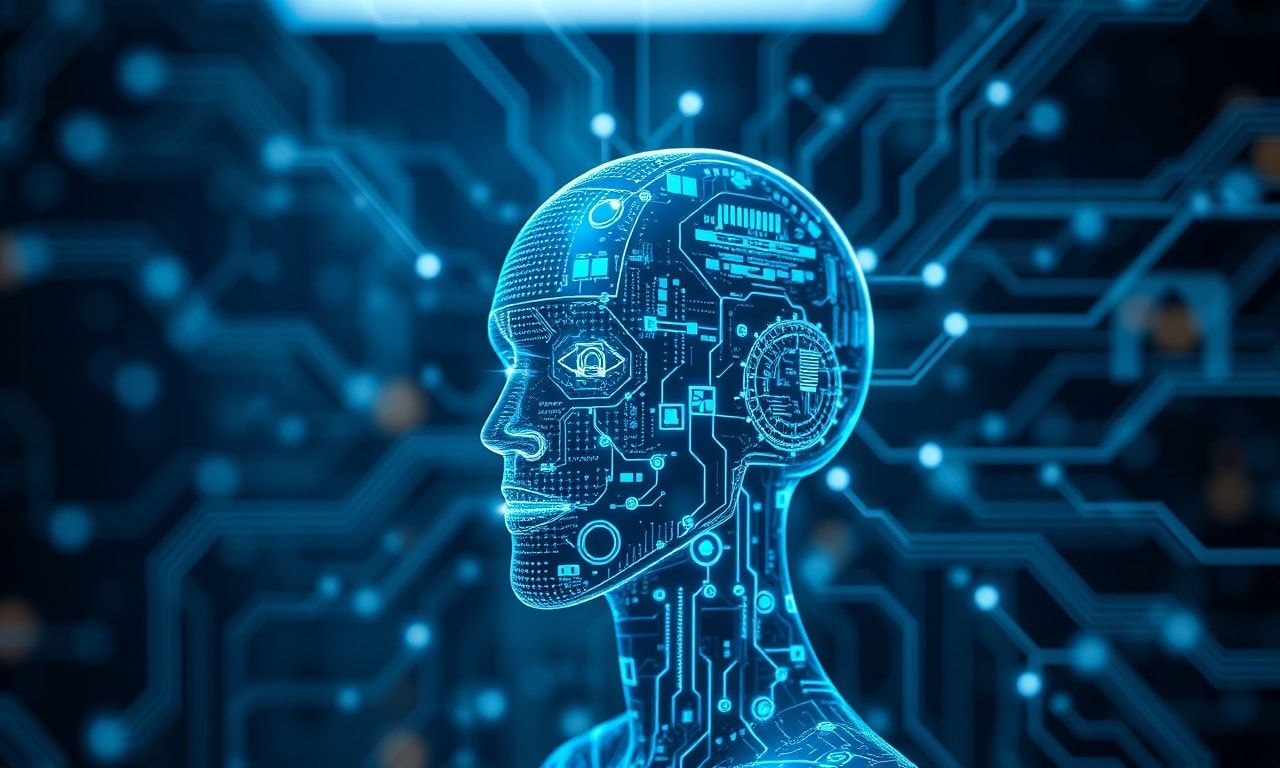
The Evolving Landscape of Cybersecurity
The digital age has brought about unprecedented advancements in technology, but with these advancements come new challenges, particularly in the realm of cybersecurity. As our world becomes increasingly interconnected, the need for robust cybersecurity measures has never been more critical. Traditional security protocols are no longer sufficient to combat the sophisticated threats that emerge daily. This is where artificial intelligence (AI) steps in, offering a new frontier in digital defense.
The Role of AI in Cybersecurity
AI’s ability to process vast amounts of data and identify patterns makes it an invaluable tool in cybersecurity. Machine learning algorithms can analyze network traffic, detect anomalies, and predict potential threats before they materialize. Unlike human analysts, AI systems can operate 24/7, providing continuous monitoring and immediate response to security incidents. This proactive approach significantly reduces the window of opportunity for cybercriminals to exploit vulnerabilities.
Moreover, AI can automate routine security tasks, freeing up human experts to focus on more complex issues. For instance, AI-powered systems can automatically update security patches, manage firewalls, and even execute countermeasures against detected threats. This not only enhances efficiency but also ensures a more comprehensive security posture.
AI-Powered Threat Detection and Response
One of the most significant advantages of AI in cybersecurity is its ability to detect and respond to threats in real-time. Traditional security systems often rely on signature-based detection, which can be ineffective against new and unknown threats. AI, on the other hand, uses behavioral analysis to identify suspicious activities, regardless of whether they match known threat signatures.
For example, AI can monitor user behavior and detect deviations that may indicate a compromise. If an employee suddenly starts accessing sensitive data at unusual times or from unusual locations, the AI system can flag this activity for further investigation. This behavioral analysis is particularly effective in detecting insider threats and advanced persistent threats (APTs) that traditional security measures might miss.
Additionally, AI can integrate with other security tools, such as intrusion detection systems (IDS) and intrusion prevention systems (IPS), to provide a layered defense strategy. By leveraging AI’s predictive capabilities, organizations can stay ahead of cybercriminals and mitigate risks before they escalate.
The Future of AI in Cybersecurity
The future of AI in cybersecurity looks promising, with ongoing research and development paving the way for even more advanced solutions. One area of particular interest is the use of AI in smart home devices review 2026. As smart homes become more prevalent, the need for robust security measures to protect these devices from cyber threats becomes paramount. AI can play a crucial role in securing smart home ecosystems by detecting and mitigating vulnerabilities in real-time.
Another exciting development is the integration of AI with blockchain technology. Blockchain’s decentralized nature makes it inherently secure, but AI can enhance this security by detecting and preventing fraudulent activities on the blockchain. This combination of AI and blockchain could revolutionize cybersecurity, providing an unparalleled level of protection for digital assets and transactions.
Challenges and Considerations
While AI offers numerous benefits for cybersecurity, it is not without its challenges. One of the primary concerns is the potential for AI systems to be hacked or manipulated. Adversarial attacks, where cybercriminals exploit vulnerabilities in AI algorithms, can compromise the very systems designed to protect against threats. To mitigate this risk, organizations must implement robust security measures to protect their AI systems from such attacks.
Another challenge is the ethical implications of AI in cybersecurity. As AI systems become more autonomous, questions arise about accountability and transparency. Who is responsible when an AI system makes a mistake or causes harm? These are complex issues that require careful consideration and regulation to ensure that AI is used ethically and responsibly.
Furthermore, the integration of AI into existing security infrastructures can be complex and costly. Organizations must invest in the necessary hardware, software, and expertise to effectively deploy AI-powered cybersecurity solutions. This can be a significant barrier for smaller organizations with limited resources.
Conclusion
The convergence of AI and cybersecurity represents a new frontier in digital defense. AI’s ability to process vast amounts of data, detect anomalies, and respond to threats in real-time makes it an invaluable tool in the fight against cybercrime. As technology continues to evolve, the role of AI in cybersecurity will only become more critical. However, organizations must also be aware of the challenges and ethical considerations associated with AI to ensure its effective and responsible use. By leveraging AI’s capabilities and addressing its challenges, we can build a more secure digital future.
As tech enthusiasts, we’re always eager to explore innovative gadgets, and our latest recommendation is electric bike buying essentials, a comprehensive guide to help you navigate the exciting world of e-bikes.
To understand the transformative role of AI in today’s tech landscape, dive into AI’s modern technology impact, a comprehensive exploration of its evolution and influence.
To stay ahead in the rapidly evolving tech landscape, delve into future tech impacts on Gmail and understand how emerging technologies are reshaping cybersecurity and software experiences.