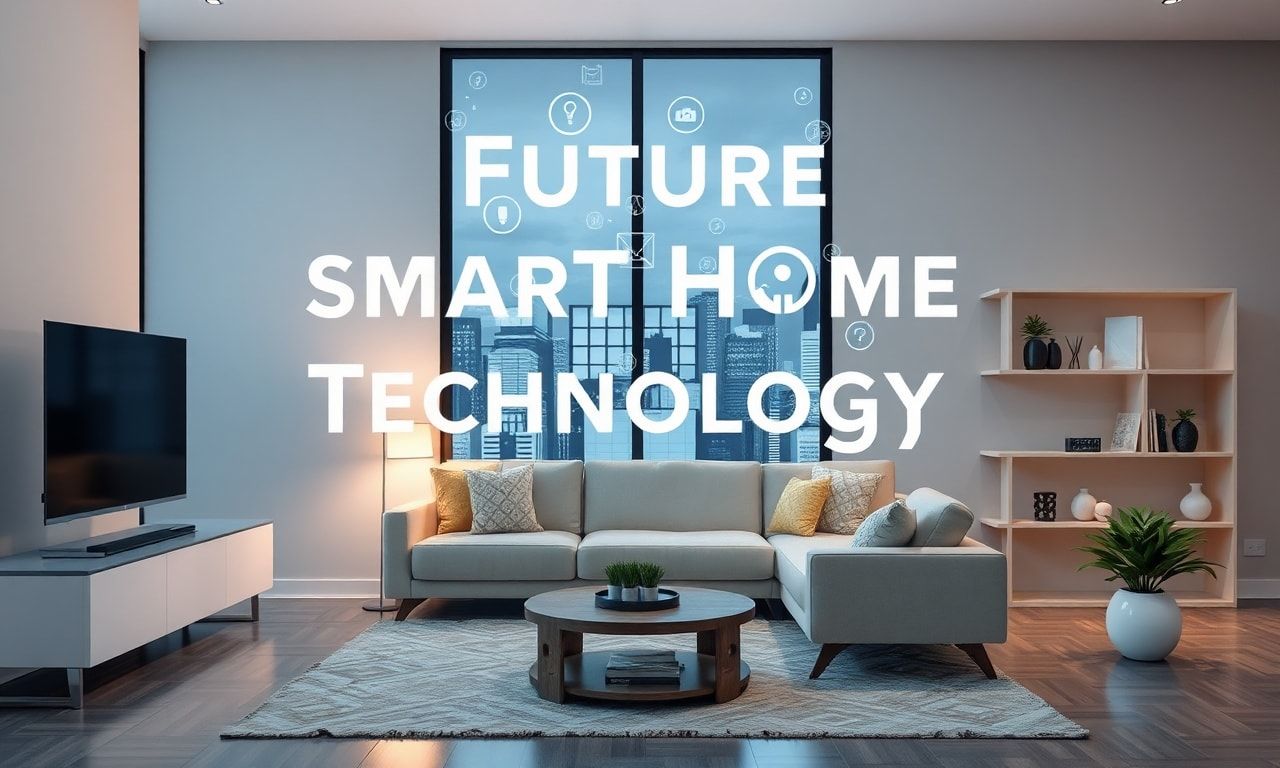
The Evolution of Smart Homes
The concept of smart homes has evolved significantly over the past few decades. From simple automated lighting systems to comprehensive home automation networks, technology has transformed the way we interact with our living spaces. The integration of artificial intelligence (AI), the Internet of Things (IoT), and advanced cybersecurity measures has paved the way for more intelligent, efficient, and secure homes.
The Role of AI in Smart Homes
Artificial Intelligence is at the heart of modern smart home technology. AI-driven systems can learn from user behavior, adapt to preferences, and make autonomous decisions to enhance comfort and convenience. For instance, AI-powered virtual assistants like Amazon’s Alexa and Google Assistant can control various smart devices, from thermostats to security systems, with simple voice commands. These systems continuously improve through machine learning, making them more intuitive and responsive over time.
Voice-Activated Controls
Voice-activated controls are becoming increasingly popular in smart homes. These systems allow users to manage their home environment hands-free, which is particularly useful for individuals with mobility issues or those who prefer a more seamless interaction with their devices. The integration of natural language processing (NLP) enables these systems to understand and respond to complex commands, making them more user-friendly and efficient.
The Internet of Things (IoT) and Connectivity
The Internet of Things (IoT) plays a crucial role in the functionality of smart homes. IoT devices, such as smart thermostats, lighting systems, and security cameras, are interconnected and communicate with each other to create a cohesive and efficient home environment. The seamless integration of these devices allows for automated routines, such as adjusting the temperature when you leave the house or turning off lights when you go to bed.
Enhanced Security Measures
With the increasing connectivity of smart home devices, cybersecurity has become a critical concern. Manufacturers are now focusing on developing robust security protocols to protect user data and prevent unauthorized access. Encryption, two-factor authentication, and regular software updates are some of the measures being implemented to ensure the safety of smart home systems. Additionally, the use of blockchain technology is being explored to create more secure and transparent networks.
The Impact of 5G on Smart Homes
The rollout of 5G technology is set to revolutionize smart home connectivity. With faster speeds and lower latency, 5G will enable real-time communication between devices, enhancing the overall performance of smart home systems. This technology will also support a higher number of connected devices, making it easier to expand and integrate new smart home solutions. The widespread adoption of 5G is expected to drive innovation in the smart home industry, leading to more advanced and interconnected living spaces.
Future Applications of 5G in Smart Homes
One of the most exciting applications of 5G in smart homes is the development of augmented reality (AR) and virtual reality (VR) systems. These technologies can be used to create immersive home environments, allowing users to interact with their smart devices in new and innovative ways. For example, AR can be used to visualize and control smart home devices through a virtual interface, while VR can be used to create virtual tours of the home, enabling remote monitoring and control.
Sustainability and Energy Efficiency
Smart home technology is also playing a significant role in promoting sustainability and energy efficiency. By integrating smart thermostats, lighting systems, and appliances, homeowners can reduce their energy consumption and lower their carbon footprint. These devices can be programmed to operate during off-peak hours, when energy costs are lower, and can automatically adjust settings to optimize energy usage. Additionally, the use of renewable energy sources, such as solar panels and wind turbines, can be integrated into smart home systems to further enhance sustainability.
Smart Energy Management Systems
Smart energy management systems are designed to monitor and control energy usage in real-time. These systems can provide detailed insights into energy consumption patterns, allowing homeowners to identify areas for improvement and make informed decisions about their energy usage. By leveraging data analytics and AI, these systems can also predict energy needs and adjust settings accordingly, ensuring optimal energy efficiency. Furthermore, the integration of smart grids and energy storage solutions can help homeowners store excess energy generated from renewable sources, reducing their reliance on traditional energy providers.
For those looking to enhance their smart home experience, understanding the best times to invest in new technology is crucial. Whether you’re considering upgrading your smart thermostat or exploring new security systems, timing can significantly impact the value and functionality of your investments. For instance, during seasonal sales or special promotions, you might find the best deals on smart home gadgets. To stay informed about the best times to make these purchases, consider checking out resources like buhurdan satın almak için en iyi zamanlar 2026.
Conclusion
The future of smart home technology is bright, with advancements in AI, IoT, 5G, and sustainability driving innovation in the industry. As these technologies continue to evolve, we can expect to see more intelligent, efficient, and secure homes that enhance our quality of life. By staying informed about the latest trends and best practices, homeowners can make informed decisions about their smart home investments and create living spaces that are truly smart and sustainable.
For a deeper understanding of this topic, The Future of Smart Home Technology: offers valuable insights worth exploring.
If you enjoyed this article, we recommend checking out The Intersection of Music and Education: for further reading.