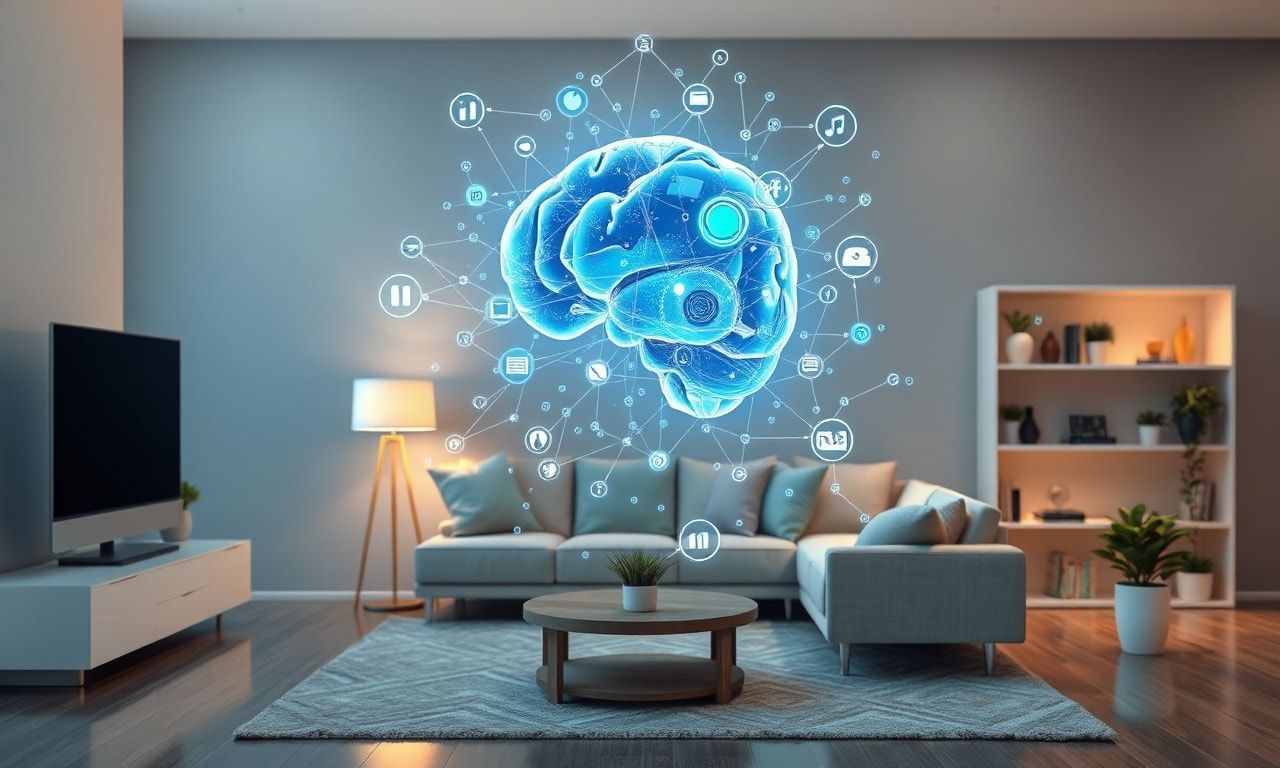
The Evolution of Smart Homes
Smart home technology has come a long way since its inception. From simple automated lighting systems to comprehensive home automation networks, the evolution has been remarkable. Today, smart homes are not just about convenience; they are about creating an ecosystem that learns and adapts to the needs of its inhabitants. This is where artificial intelligence (AI) plays a pivotal role. AI’s ability to process vast amounts of data and make decisions based on patterns and preferences is revolutionizing the way we interact with our living spaces.
The Role of AI in Smart Home Technology
AI is the backbone of modern smart home systems. It enables devices to understand and respond to user behavior, making homes more intuitive and efficient. For instance, AI-powered thermostats can learn your heating and cooling preferences and adjust accordingly, leading to significant energy savings. Similarly, AI-driven security systems can differentiate between familiar and unfamiliar faces, enhancing home security. The integration of AI in smart home technology is not just about automation; it’s about creating a seamless, personalized experience.
One of the most significant advantages of AI in smart home technology is its ability to integrate various devices and systems into a cohesive network. This interconnectedness allows for a more streamlined and efficient home environment. For example, AI can synchronize your lighting, temperature, and entertainment systems to create the perfect ambiance for different times of the day. This level of integration was unimaginable just a few years ago, but thanks to advancements in AI, it is now a reality.
AI and Energy Efficiency
Energy efficiency is a major concern for homeowners, and AI is playing a crucial role in addressing this issue. AI-powered systems can analyze energy consumption patterns and suggest ways to reduce waste. For instance, AI can learn when you are likely to be home and adjust the heating or cooling systems accordingly. This not only saves energy but also reduces utility bills. Additionally, AI can monitor the performance of various home appliances and alert you to any inefficiencies, allowing you to take corrective action before it becomes a significant problem.
Moreover, AI can integrate with renewable energy sources like solar panels to optimize energy usage. By analyzing weather patterns and energy consumption data, AI can determine the best times to use solar energy, thereby reducing reliance on the grid. This not only benefits the environment but also helps homeowners save money in the long run. For more insights on how technology is transforming our daily lives, you can visit Espoon kotitalousuutiset tänään.
AI and Home Security
Home security is another area where AI is making a significant impact. Traditional security systems rely on basic sensors and alarms, but AI-powered systems offer a more sophisticated approach. AI can analyze video feeds in real-time and detect suspicious activities, such as unauthorized entry or unusual movements. This allows for a more proactive approach to home security, as the system can alert you to potential threats before they escalate.
AI-driven security systems can also learn the routines of the household members and identify any deviations. For example, if someone enters the house at an unusual time, the system can send an alert to the homeowner’s smartphone. This level of personalization ensures that the security system is always vigilant and responsive to the unique needs of the household. Additionally, AI can integrate with other smart home devices, such as smart locks and surveillance cameras, to create a comprehensive security network.
The Future of AI in Smart Home Technology
The future of AI in smart home technology is bright and full of possibilities. As AI continues to evolve, we can expect even more sophisticated and personalized smart home systems. For instance, AI could learn to anticipate your needs based on your daily routines and make proactive adjustments to your home environment. This could include everything from adjusting the lighting and temperature to preparing your favorite coffee in the morning.
Another exciting development is the integration of AI with voice assistants. Voice assistants like Amazon Alexa and Google Assistant are already widely used in smart homes, but with AI, they can become even more intuitive and responsive. AI can enable voice assistants to understand context better, allowing them to provide more accurate and relevant responses. This could revolutionize the way we interact with our smart home devices, making them more user-friendly and accessible.
Challenges and Considerations
While the future of AI in smart home technology is promising, there are also challenges and considerations to keep in mind. One of the main concerns is data privacy. As AI systems collect and analyze vast amounts of data about your home and lifestyle, it is essential to ensure that this data is protected and used responsibly. Homeowners should be aware of the data collection practices of their smart home devices and take steps to safeguard their privacy.
Another challenge is the compatibility of different smart home devices. As the market for smart home technology continues to grow, there is a risk of fragmentation, with different devices and systems using incompatible protocols. This can make it difficult to create a cohesive smart home network. To address this issue, industry standards and interoperability protocols are being developed to ensure that different devices can work together seamlessly.
Despite these challenges, the benefits of AI in smart home technology are undeniable. As AI continues to advance, we can expect to see even more innovative and transformative applications in the years to come. From enhancing energy efficiency to improving home security, AI is poised to revolutionize the way we live and interact with our homes.
Discover the latest trends in tech entrepreneurship with our article on Turkey’s rising startup scene, focusing on innovations in software, AI, and cybersecurity.
In the fast-paced world of tech and innovation, it’s crucial to understand how business success and personal well-being intersect; delve into balancing work and health for a sustainable career.
In the fast-paced world of tech and innovation, it’s essential to find balance and fulfillment; discover simple steps to elevate your lifestyle and enhance your well-being.