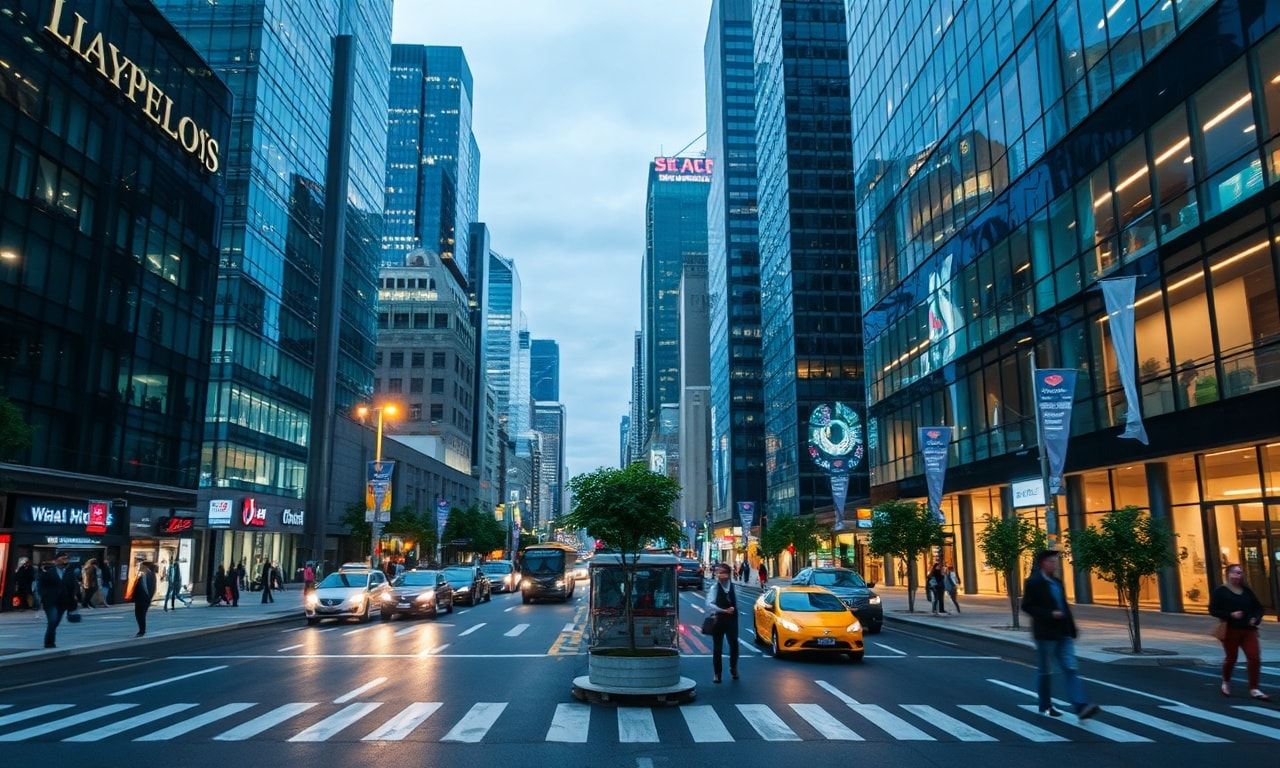
The Rise of Smart Cities
The concept of smart cities has been gaining traction over the past decade, driven by rapid advancements in technology and the increasing need for sustainable urban development. Smart cities leverage a wide array of technologies, including the Internet of Things (IoT), artificial intelligence (AI), and big data analytics, to enhance the quality of life for their residents. These technologies enable cities to manage resources more efficiently, reduce environmental impact, and improve public services.
Key Technologies Driving Smart Cities
Several key technologies are at the forefront of the smart city revolution. IoT devices, for instance, are used to collect data from various urban infrastructure components, such as traffic lights, waste management systems, and public transportation. This data is then analyzed using AI and machine learning algorithms to optimize city operations. Additionally, smart grids and renewable energy solutions are being integrated to create more sustainable and resilient urban environments.
The Role of AI in Urban Planning
Artificial intelligence plays a crucial role in urban planning by providing insights that help city planners make informed decisions. AI algorithms can analyze vast amounts of data to predict traffic patterns, identify areas prone to flooding, and even optimize the placement of public amenities. For example, AI-powered traffic management systems can dynamically adjust traffic signals to reduce congestion and improve traffic flow. This not only saves time for commuters but also reduces the carbon footprint of urban transportation.
Cybersecurity Challenges in Smart Cities
While the benefits of smart cities are numerous, they also come with significant cybersecurity challenges. The interconnected nature of IoT devices and the vast amounts of data they collect make smart cities attractive targets for cybercriminals. Ensuring the security of these systems is paramount to protecting the privacy and safety of residents. Cities must invest in robust cybersecurity measures, including encryption, intrusion detection systems, and regular security audits, to safeguard their digital infrastructure.
The Impact of Digital Democracy
Digital democracy is another emerging trend that is reshaping urban governance. By leveraging technology, cities can engage residents more effectively and make the decision-making process more transparent. Digital platforms allow citizens to participate in city council decision news, vote on local issues, and provide feedback on public services. This not only enhances civic engagement but also ensures that urban policies are more responsive to the needs of the community.
Case Studies in Digital Democracy
Several cities around the world have successfully implemented digital democracy initiatives. For instance, Estonia has been a pioneer in e-governance, offering its citizens a wide range of online services, from voting to tax filing. Similarly, Barcelona has launched the Decidim platform, which allows residents to participate in urban planning and decision-making processes. These initiatives demonstrate the potential of technology to democratize urban governance and foster a more inclusive society.
Future Trends in Smart Cities and Digital Democracy
The future of smart cities and digital democracy looks promising, with several emerging trends set to shape the landscape. The integration of 5G technology, for example, will enable faster and more reliable communication between IoT devices, enhancing the efficiency of smart city systems. Additionally, the use of blockchain technology can improve the transparency and security of digital democracy platforms, ensuring that citizen data is protected and that voting processes are tamper-proof.
As cities continue to evolve, the role of technology in urban governance will become even more critical. By embracing smart city technologies and digital democracy initiatives, cities can create more sustainable, efficient, and inclusive environments for their residents. The journey towards smarter and more democratic cities is just beginning, and the possibilities are endless.