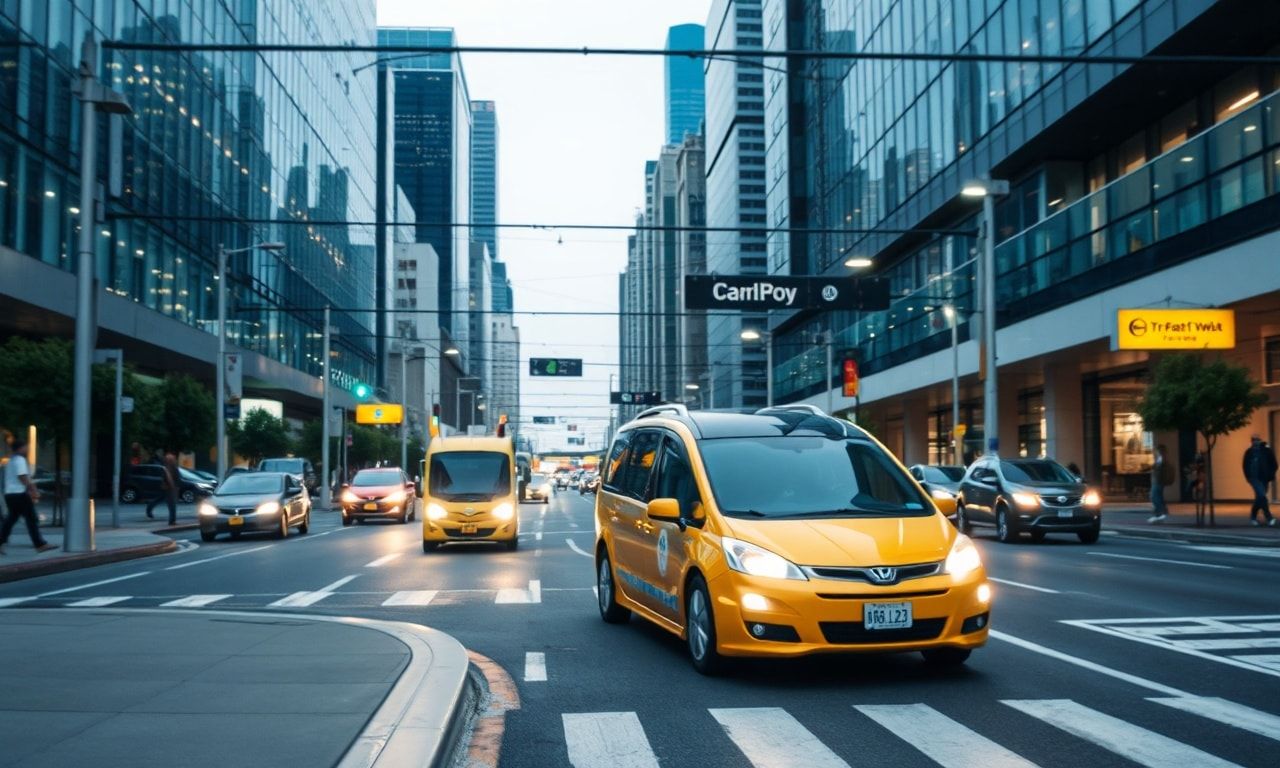
The Evolution of Urban Mobility
Urban mobility has undergone a significant transformation over the past few decades, driven by technological advancements and a growing need for sustainable, efficient transportation solutions. Cities around the world are increasingly investing in smart technologies to manage traffic, reduce congestion, and enhance the overall commuting experience. This shift is not only improving the quality of life for residents but also paving the way for more connected and intelligent urban environments.
The Role of AI in Urban Mobility
Artificial Intelligence (AI) is at the forefront of this transformation. AI-powered systems are being used to analyze traffic patterns, predict congestion, and optimize routes in real-time. These systems can process vast amounts of data from various sources, including traffic cameras, sensors, and GPS devices, to provide accurate and timely information to both commuters and city planners. For instance, AI algorithms can dynamically adjust traffic light timings to reduce wait times and improve traffic flow, leading to a more efficient and less stressful commuting experience.
Moreover, AI is also playing a crucial role in the development of autonomous vehicles. Self-driving cars, buses, and trams are being tested in several cities, promising to revolutionize urban transportation. These vehicles use advanced sensors and AI algorithms to navigate through traffic, avoid obstacles, and make decisions based on real-time data. The integration of autonomous vehicles into urban mobility systems could significantly reduce accidents, lower emissions, and enhance the overall efficiency of public transportation.
Smart Infrastructure and Connectivity
Smart infrastructure is another key component of modern urban mobility. Cities are increasingly adopting smart technologies to create more connected and efficient transportation networks. This includes the deployment of smart traffic management systems, intelligent transportation systems (ITS), and advanced public transportation solutions. For example, smart traffic management systems use real-time data to optimize traffic flow, reduce congestion, and improve safety. ITS, on the other hand, integrate various transportation and communication technologies to provide seamless and efficient mobility solutions.
In addition to smart infrastructure, connectivity is also a critical factor in urban mobility. The proliferation of high-speed internet and the Internet of Things (IoT) has enabled the development of connected vehicles and smart transportation systems. These systems can communicate with each other and with infrastructure to provide real-time information and enhance the overall efficiency of urban mobility. For instance, connected vehicles can share data with traffic management systems to optimize routes and reduce congestion. Similarly, smart transportation systems can use IoT devices to monitor and manage traffic flow, providing a more efficient and seamless commuting experience.
Sustainable and Eco-Friendly Solutions
Sustainability is a growing concern in urban mobility. Cities are increasingly focusing on developing eco-friendly transportation solutions to reduce emissions and promote sustainable urban development. This includes the adoption of electric vehicles (EVs), the development of bike-sharing and car-sharing programs, and the promotion of public transportation. For example, many cities are investing in electric buses and trams to reduce emissions and improve air quality. Similarly, bike-sharing and car-sharing programs are being promoted to encourage the use of shared transportation and reduce the number of private vehicles on the road.
Furthermore, cities are also exploring innovative solutions to promote sustainable urban mobility. For instance, some cities are experimenting with pedestrian-only zones and green corridors to encourage walking and cycling. Others are investing in smart parking solutions to reduce the time and fuel wasted on searching for parking spaces. These initiatives not only promote sustainable urban mobility but also enhance the quality of life for residents by creating more livable and sustainable cities.
The Future of Urban Mobility
The future of urban mobility is bright, with numerous innovations and technologies on the horizon. From AI-powered traffic management systems to autonomous vehicles and smart infrastructure, the possibilities are endless. Cities around the world are increasingly investing in these technologies to create more connected, efficient, and sustainable urban environments. For example, initiatives like Frankfurt Internationale Verkehrsprojekte für Familien are paving the way for more family-friendly and efficient transportation solutions, showcasing the potential of smart urban mobility projects.
Moreover, the integration of AI, IoT, and smart technologies into urban mobility systems is expected to revolutionize the way we commute. These technologies will enable cities to create more intelligent and efficient transportation networks, providing seamless and convenient mobility solutions for residents. Additionally, the focus on sustainability and eco-friendly solutions will promote the development of greener and more livable cities, enhancing the quality of life for residents.
Conclusion
In conclusion, the intersection of technology and urban mobility is shaping the future of our cities. From AI-powered traffic management systems to autonomous vehicles and smart infrastructure, these innovations are transforming the way we commute and enhancing the overall efficiency of urban mobility. As cities continue to invest in these technologies, we can expect to see more connected, efficient, and sustainable urban environments. The future of urban mobility is bright, and the possibilities are endless, promising a more seamless and convenient commuting experience for residents worldwide.