

How to Learn Crypto Regulation: A Practical Investor Guide
Learn how to identify the crypto rules that may affect your activities, find reliable official guidance, and keep clear records without assuming one rule fits a

Learn crypto regulation by starting with what you do, where you do it, and which services or assets you use. Then check official guidance from the relevant regulators, compare it with your own records, and revisit it when your activity changes. Rules differ across jurisdictions, so treat general explanations as a starting point—not personal legal or tax advice.
This checklist helps investors separate the main regulatory questions: how an asset or service is treated, which rules might apply to a particular activity, and where to verify the answer. It also shows how to build a practical learning routine without relying on social posts or assuming one country’s rules apply everywhere.
Keep a record of the sources you consult, the dates you checked them, and any facts that affect your situation. If a decision could have legal or tax consequences, take your notes to a qualified professional in the relevant jurisdiction.
- Start with your crypto activities and the jurisdictions connected to them.
- Use official sources to match rules to specific actions, and record what remains uncertain.
- Keep dated notes and transaction records so you can revisit decisions as guidance changes.
- Seek qualified advice when a question has legal or tax consequences for your circumstances.
What Crypto Regulation Covers
Rules Follow Different Activities
Crypto regulation is not one rulebook: different laws can apply to exchanges, token issuers, payment services, custody, trading, and taxes. A person buying and holding an asset may face different questions from a business operating a trading platform. Start by identifying the activity, then look for the rules that govern that activity.
Regulators may focus on consumer protection, financial crime controls, market conduct, custody, or the classification of a particular asset. Those concerns can overlap, but they are not interchangeable. For example, a service’s registration status does not by itself answer how a customer’s gains should be reported.
When comparing jurisdictions, canlı döviz kurları can help put cross-border transaction records in fiat-value context, but they do not determine which rules apply. Keep the underlying transaction details alongside any conversion reference. This makes it easier to distinguish a value calculation from a legal or tax conclusion.
- Identify the activity: holding, trading, transferring, or providing a service.
- Separate consumer, financial crime, market, and tax questions.
- Check whether a rule addresses the asset, the service, or both.
Know the Main Rule Categories
A useful first map groups rules by what they regulate. Financial services rules may address who can offer a service; anti-money-laundering requirements may govern customer checks and transaction monitoring; consumer rules may cover disclosures or complaints. Tax treatment is a separate question, even when the same transaction appears in several rulebooks.
Asset classification can affect which rules are relevant, but labels used by a project or exchange are not necessarily decisive. Read the regulator’s explanation and note what facts it relies on, such as rights attached to a token or how a service is marketed. If those facts are unclear, record the uncertainty rather than guessing.
The same activity can raise more than one issue at once. A transfer through a service, for instance, may involve custody terms, identity checks, and record keeping, while a later sale may raise separate tax questions. Sorting these questions into categories helps you research them without treating one answer as a complete compliance checklist.
Start With Your Activities and Jurisdictions

List What You Actually Do
Write down your crypto activities before searching for rules: buying, selling, swapping, staking, borrowing, receiving payments, or using a custody service. Include whether you act personally or through a business. For records involving dollar-denominated amounts, a dolar TL çevirici can help estimate a lira equivalent while accounting for conversion costs.
- Mistake: recording only deposits and withdrawals; better approach: include trades, swaps, and rewards.
- Mistake: assuming personal and business activity are alike; better approach: identify who is acting.
- Mistake: treating an estimate as an official valuation; better approach: retain the source and conversion details.
Be specific about how each activity happens, because details can change the relevant question. Note whether an asset stays on a platform or moves to a wallet you control, whether a swap involves two tokens, and whether you receive a reward or payment. Keep these descriptions factual, without deciding what the law calls them.
Use the list to identify where you may need authoritative guidance, not to assume that every activity has the same answer. A person who trades occasionally may have different questions from a business that serves customers. If you are unsure how to describe an action, save the transaction record and flag it for follow-up.
- List each action involving a digital asset.
- Record whether you act personally or for a business.
- Note the platform, wallet, and type of transaction.
- Mark unclear activities for verification.
Pin Down Relevant Locations
List the jurisdictions connected to your activity rather than relying on a single idea of where you are based. Relevant connections may include your residence, the location of a business, the provider’s operating location, or a market where a service is offered. Which connections matter depends on the specific rule and facts.
A platform’s website being accessible in a country does not, by itself, settle whether it is authorized there or which obligations apply. Look for regulator notices, licensing registers, and the provider’s disclosures, then note the date you checked them. These sources can answer different questions, so avoid treating one register as a universal approval.
If more than one jurisdiction seems relevant, make a short list of the questions for each rather than blending them into one answer. Keep the source, the exact issue it addresses, and any unresolved point together. For a consequential decision, ask a qualified adviser familiar with the relevant jurisdictions to review your facts.
Map the Rules That Apply to Your Activity
Trace Rules to Your Actions
Match each activity on your list to a concrete regulatory question. For trading, ask which rules address the service and the user’s responsibilities; for custody, check who controls the assets and what protections are described; for business activity, look for authorization and customer obligations. This method keeps research tied to what you actually do.
- Research the activity, not just the token name.
- Keep each rule linked to its official source.
- Treat unresolved questions as open, not settled.
Search regulator websites for terms that describe the activity, not only the token’s name. Read the full guidance and any linked legislation or formal notices, because a short summary may omit who is covered or what conditions apply. Record the relevant passage and the limits the source places on its explanation.
Build a simple map with one row per activity and columns for the possible rule, official source, date checked, and open questions. Mark each item as verified, uncertain, or not yet researched. These labels describe the state of your research; they are not a declaration that you are compliant.
- Connect each activity to a specific question.
- Use official guidance and linked legal texts.
- Record the source, date, and unresolved points.
| Approach | Best use | Main limitation |
|---|---|---|
| Official regulator guidance | Understand an authority’s published position | May not resolve unusual facts |
| Legislation or formal notices | Check the underlying legal text | Can require specialist interpretation |
| News and industry explainers | Spot developments and find context | Verify claims against primary sources |
| Qualified professional advice | Apply rules to personal circumstances | Requires accurate facts and records |
Compare Research Approaches
Official regulator guidance is usually the best starting point for understanding an agency’s position, while legislation and formal notices provide the underlying text. Both can require careful reading, and a regulator’s public guidance may not resolve how a rule applies to unusual facts. Use secondary explainers to orient yourself, then verify important claims at the source.
Professional advice is a different tool from self-directed research: it can apply relevant rules to your circumstances, but the adviser needs accurate facts and records. A news report may alert you to a change, yet it should not replace the current official text. Choose the method according to whether you need general orientation or a decision about your own situation.
The comparison below is a starting point for selecting sources, not a ranking that guarantees accuracy in every case. Check publication dates and whether a page links to primary material. If two sources appear inconsistent, note the difference and seek clarification instead of choosing the answer that seems easiest.
Begin with the relevant regulator, government department, or official legal publication, and confirm that the material addresses your activity and jurisdiction.
Choose Reliable Sources and Learning Tools

Prioritize Primary Guidance
Begin with the relevant regulator, government department, or official legal publication, and confirm that the material addresses your activity and jurisdiction. Check the publication or update date, the scope of the guidance, and whether it links to a formal rule. A current source that covers the wrong issue is still not a useful answer.
Use industry analysis and news to spot developments, but trace important claims back to the original notice or document. Headlines can compress a proposal, consultation, and final rule into language that sounds equally binding. Confirm the document’s status before changing how you trade, report, or handle assets.
Save a citation or copy of the source with the date accessed and a brief note about what it answers. This makes it easier to revisit a question when a page changes or a new notice appears. Avoid relying on an isolated screenshot or an unattributed summary when the underlying material is available.
- Confirm the source is an official authority or legal publication.
- Check the date, scope, and status of the material.
- Trace commentary back to primary documents.
Build a Repeatable Study Routine
Make learning manageable by following one activity at a time: describe what you do, identify the relevant authority, read its current guidance, and write down what remains unclear. This sequence prevents broad searches from producing disconnected facts. It also gives you a record of how you reached a working understanding.
Set a reminder to revisit sources when your activity changes, a provider updates its terms, or an authority publishes new guidance. Do not assume that an old bookmark remains current. Compare the new material with your saved notes and record what changed, when it changed, and which activity might be affected.
Keep general education separate from advice tailored to your circumstances. A guide can explain common concepts, but it cannot reliably assess every jurisdiction, transaction history, or business structure. When a decision carries meaningful legal or tax consequences, share your activity list and source notes with a qualified professional.
Keep Clear Records of Crypto Transactions
Build a Transaction Ledger
Record each crypto transaction close to the time it happens, while the details are easy to verify. A useful ledger captures the date, asset, quantity, transaction type, platform or wallet, and any fees. Include transfers between your own wallets so they are not mistaken for sales or unexplained deposits.
- Export statements and wallet histories from each platform.
- Match transactions to dates, quantities, and fees.
- Label transfers, trades, payments, and income separately.
- Save source documents with a dated ledger copy.
Keep the original evidence alongside the ledger rather than relying on a summary you typed later. Save exchange statements, wallet transaction IDs, trade confirmations, and receipts for purchases or expenses. When a record is missing, note what you could not confirm and how you reconstructed the entry, instead of presenting an estimate as a verified fact.
Use one consistent method for naming assets, wallets, and transaction types across all records. For example, distinguish a transfer between your accounts from a payment to another person, even if both appear as an outgoing transaction. Consistent labels make it easier to compare your records with platform statements and explain unusual entries when reviewing a filing.
- Log purchases, sales, swaps, and payments.
- Record fees separately from transaction amounts.
- Label transfers between your own wallets.
- Save the evidence supporting each entry.
Reconcile Wallets and Exchanges
Reconcile your ledger against exchange statements and on-chain records so balances and transaction histories tell the same story. A wallet transfer should usually appear as an outgoing movement from one address and an incoming movement to another. Matching the transaction ID and amount can help you identify a transfer that was accidentally recorded as a disposal.
Treat exchange exports as evidence, not as a complete account of your activity. A platform may not show transfers to external wallets, activity on another exchange, or transactions that occurred before an account was opened. Compare each export with the relevant wallet history, and preserve the original files in case a later review requires more detail.
When records disagree, investigate the underlying transaction rather than changing figures just to make the totals match. Check timestamps, asset denominations, network fees, and whether a platform displays amounts before or after fees. Keep a note of the resolution and supporting evidence so you can explain the correction consistently in future reporting.
Understand Valuation and Reporting Pitfalls
Choose a Defensible Valuation
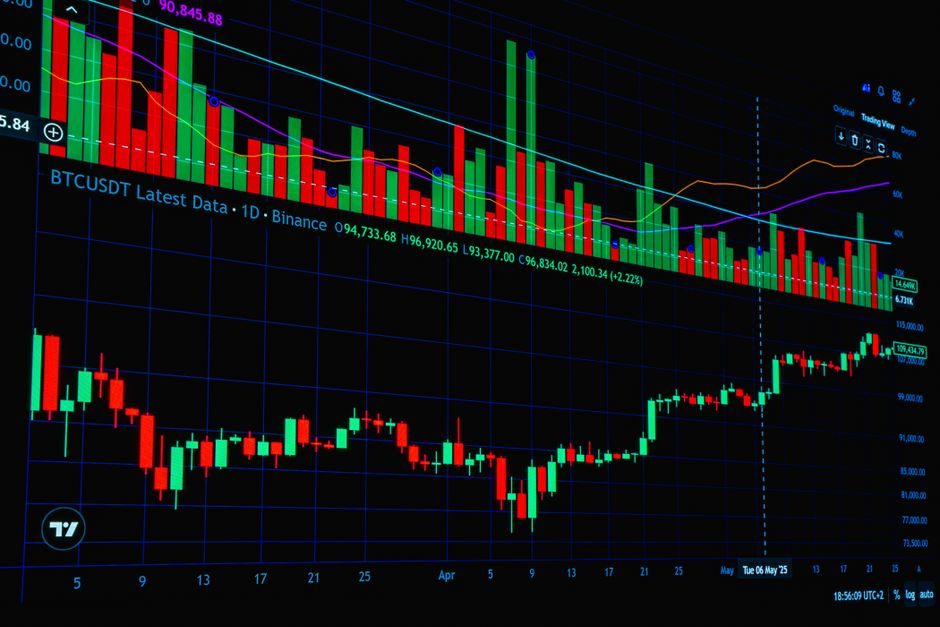
For each reportable event, identify the valuation method required by the relevant jurisdiction and apply it consistently. Rules may specify a valuation time, an accepted price source, or how to handle assets that trade on several venues. When reviewing transaction values, dolar kaç TL can provide a reference point to compare with the method your jurisdiction requires.
Do not assume that a price shown in an app is automatically the right figure for reporting. A displayed quote may use a different timestamp, currency pair, or trading venue from the one your rules recognize. Keep the price source and time with the transaction record, and note any conversion method used to express the amount in a required currency.
Thinly traded tokens and transactions outside normal market hours can make a single quoted price less representative. Preserve the source and the reasoning behind your chosen figure, especially when prices differ across platforms. If official guidance does not clearly resolve the method, seek clarification from a qualified adviser rather than silently selecting whichever price produces the preferred result.
Separate Events and Categories
A crypto transaction can have more than one reporting implication, so classify what happened before deciding how to report it. A sale, token swap, payment, reward, and transfer between your own wallets are not necessarily treated alike. Keep the factual description separate from your conclusion about its tax or regulatory treatment, which may depend on local rules.
A common error is to treat every incoming token as a purchase or every outgoing token as a sale. An incoming transfer from your own wallet may simply move an existing holding, while a reward or payment could require a different analysis. Trace the source and purpose of each movement, and retain enough evidence to support that classification.
Watch for missing cost-basis information when assets move between platforms or wallets. A receiving exchange may show when tokens arrived without showing when or how you acquired them. Carry forward the original purchase records where applicable, and flag gaps before filing so an adviser or official guidance can help resolve them.
- Describe the event before assigning a category.
- Trace incoming assets to their source.
- Keep acquisition records when moving holdings.
- Flag uncertain classifications for review.
Build a Practical Compliance Routine
Use a Repeatable Review Cycle
Set a regular time to update records, check rule changes, and resolve missing information before deadlines approach. A repeatable routine is more reliable than trying to reconstruct a year of trading from old emails and platform downloads. Choose a schedule that fits your activity, then put the review on your calendar alongside other recurring financial tasks.
- ☐ Download current statements and wallet records.
- ☐ Match each event to its supporting evidence.
- ☐ Review unresolved classifications and valuation choices.
- ☐ Save dated copies of guidance used.
During each review, compare recent ledger entries with platform statements and wallet activity. Confirm that trades, transfers, fees, and relevant receipts have supporting documents, and list anything still uncertain. This short review creates a manageable set of questions to investigate, rather than leaving an entire reporting period to be checked at once.
Keep a simple change log for the rules and official guidance you rely on. Note the issuing authority, publication or update date, the activity it addresses, and the reason it matters to you. Recheck the source when your activity changes or a new reporting period begins, since a rule that applied to one situation may not answer another.
- Update the ledger on a recurring schedule.
- Match entries to statements and wallet activity.
- List missing evidence and unresolved questions.
- Recheck official guidance when circumstances change.
Organize Files for Review
Arrange records so another person can follow the path from a transaction to its evidence. Separate files by reporting period, then use clear names for statements, receipts, and wallet exports. A brief index listing the platforms and wallets you used can help an adviser or reviewer understand what is included and spot missing sources.
Keep original documents unchanged and store working copies separately. If you correct a ledger entry, preserve a note of what changed, when you changed it, and the evidence that supports the correction. This audit trail reduces confusion when a number in an earlier export differs from the figure in your current working file.
Protect records with appropriate access controls and backups, especially when they contain account details or transaction history. Avoid sharing login credentials as a substitute for providing documentation. Before sending files to an adviser or authority, check that the requested period and records are complete, and use a secure delivery method.
Recognize When to Seek Professional Advice

Spot Questions Beyond Self-Study
Seek qualified advice when a rule is unclear and the answer could materially affect how you report or structure an activity. This is especially useful for complex DeFi transactions, token compensation, cross-border activity, or a series of transfers with incomplete records. Bring the facts and documents you have, rather than asking an adviser to infer the history from a wallet balance.
Professional help can also be appropriate when official sources appear to conflict or do not address your specific transaction. Prepare a concise timeline, identify the jurisdictions and platforms involved, and write down the decision you need to make. A focused question helps the adviser distinguish a factual gap from a genuine uncertainty about how rules apply.
Choose someone whose qualifications and experience fit the question, such as tax reporting, securities regulation, or anti-money-laundering obligations. Ask what jurisdictions they cover, what documents they need, and whether their advice will address your particular activity. Do not assume that general crypto experience alone means a professional is authorized to provide advice where you live.
- Escalate unclear cross-border reporting questions.
- Ask for help with incomplete transaction histories.
- Check qualifications relevant to your issue.
- Confirm which jurisdiction and activity the advice covers.
Prepare for a Useful Consultation
Make a short briefing note before a consultation, with the relevant dates, assets, transaction types, platforms, and jurisdictions. Include the specific uncertainty and any steps you have already taken to check official guidance. This gives the professional a clear starting point and helps keep the discussion focused on decisions you need to make.
Share organized supporting documents, but avoid sending more sensitive information than the adviser needs. Ask how they protect records, what work is included, and whether you will receive written advice or only a discussion. Clarifying the scope at the outset helps you understand what the advice covers and which questions remain open.
After the consultation, record the recommendation, its assumptions, and any follow-up actions. If your facts later change, such as adding a new jurisdiction or activity, revisit whether the earlier advice still applies. Keep the written advice with the relevant transaction records so the reasoning can be found if you review or amend a filing.
Frequently asked questions
Can I learn crypto rules without a legal background?Yes. Start with official guidance written for the activity you actually conduct, then learn the basic terms used in that guidance. Keep a list of questions you cannot answer from primary sources, and seek qualified help when the consequences are significant or the rules remain unclear. You do not need to become a lawyer to maintain organized records or recognize when a question needs professional interpretation.
Which records should I keep if I use several exchanges?Keep transaction histories and statements from every exchange, along with wallet records that show transfers to or from those platforms. Preserve dates, quantities, fees, transaction IDs, and the evidence behind purchases or other acquisitions. A receiving exchange may not have the history from the platform where you first obtained an asset, so retain records across the full path of ownership.
How often should I check for changes to crypto rules?Review official guidance regularly and whenever your activity, location, or reporting situation changes. A practical routine is to check before making a new kind of transaction and again before preparing a filing. Keep dated notes about the sources you consulted, because guidance may be updated and an older explanation may no longer address the rules that apply to your current circumstances.
What should I do if my transaction history has gaps?First, identify exactly which dates or transactions are missing and try to retrieve records from the relevant platform or wallet. Compare available statements, transaction IDs, and related receipts, then document how you reconstructed any entry. Clearly mark what remains uncertain instead of presenting a guess as fact. If the gap could affect reporting, ask a qualified adviser how to handle it.
Make Your Records Work for You
Learning crypto regulation is an ongoing process: identify the activities and jurisdictions that matter, rely on official sources, and keep transaction records that can be checked later. Treat valuation and classification as questions to verify, not assumptions to make from an app display. A consistent ledger, supporting evidence, and dated notes about guidance give you a clearer basis for understanding your obligations and explaining your decisions.
Your next step is to choose one reporting period and reconcile its transactions against your exchange statements and wallet histories. Record any missing evidence, uncertain classifications, or valuation questions, then check the relevant official guidance. If an unresolved issue could affect your obligations, take that organized record to a qualified professional who can address your facts and jurisdiction.
Add Bitcoin Altcoin & Crypto Coin News Analysis as a preferred source on Google


