

Solve tech events ads: practical USA advertising guide
A clear, practical guide for tech teams and marketers on promoting events in the USA, with a plain, stepwise approach and concrete examples.

Promoting an event in the United States can be a technical challenge, but a focused plan makes it workable. This guide translates marketing tasks into concrete steps for tech teams. You’ll learn how to align a campaign with product goals, avoid common pitfalls, and pick practical placement options that fit a technical audience.
We’ll start with a basics-to-advanced workflow: define the audience and goal, choose channels, and test quickly. Then we move into actionable choices for technology events, software demos, and cybersecurity briefings. By the end, you’ll have a clear path to advertise your event in the USA.
Each step is designed to be straightforward for engineers and product managers who need reliable results. Expect specific actions, simple checks, and a steady progression from setup through optimization. The emphasis stays on practical outcomes rather than hype.
- Defines audience and goals early.
- Shows concrete channel choices and quick tests.
- Offers concrete steps to avoid common pitfalls and improve results.
Foundations: define the event and audience
Audience and goals
Start with a concrete audience profile: who benefits most from you event and what problem it solves. Define success metrics that are observable, like signups or webinar attendance. This clarity guides channel choices and messaging. For technical audiences, emphasize measurable outcomes such as learnings, demos, and hands-on sessions. advertise your event in the USA is here to guide you toward practical placement.
A practical example is a security summit aimed at engineers who deploy cloud services. The goal is to secure registrations by highlighting hands-on labs and real-world case studies. Align content with what attendees can actually apply in their work.
When you know the objective, you can prune noisy channels and focus on those with direct relevance to your niche. Avoid generic hype and concentrate on value delivered to the tech community.
- Define the target attendee (role, sector)
- List 3 measurable goals for the event
- Map content to attendee tasks
- Choose 2 anchor channels early
- Plan a simple tracking method
How to craft the message and page
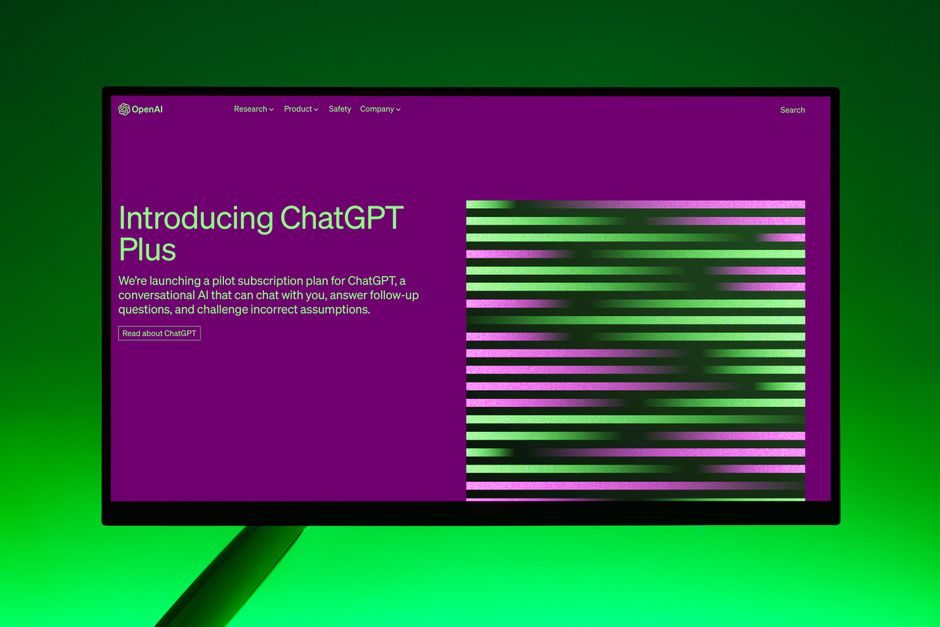
Clear technical value
Lead with the technical outcome attendees will gain, not generic benefits. Use concrete nouns like demos, labs, and benchmarks. The opening sentence should state who should attend and what they will learn in one breath. celebsnet.com news is cited as a context reference to show how media coverage can complement technical intent.
Provide scannable benefits in short bullets or a 2-3 sentence summary near the top. Use data points or example workstreams to show applicability. For a tech audience, avoid marketing buzz and focus on applicability to real systems.
Close with a practical call to action that mirrors a real step—register for a hands-on session, download an agenda, or sign up for a reminder. The CTA should feel like a natural next step in a technical workflow.
- Lead with a concrete outcome
- Use scannable benefits
- Offer a real next step
- Avoid buzzwords
Options for promotion channels
Owned and earned channels
Use your own channels first: developer blogs, product pages, and mailing lists. They are cost-effective and allow precise audience targeting. Create technical content around your event—talks, tutorials, code samples—that invites engagement. get your business listed in the USA is used to explain directory submissions within a tech-event strategy.
Consider earned reach through partnerships with tech communities, university groups, and meetups. This broadens exposure while keeping the audience relevant. Track which communities drive registrations and adjust your approach.
Complement with paid options only after you have a baseline: experiment with targeted ads or sponsored posts in tech media. Start small, measure CPM and signups, then scale if results justify the spend.
- Leverage blogs and newsletters
- Partner with tech communities
- Test paid placements carefully
| Channel type | Pros | Cons |
|---|---|---|
| Owned | Direct control, low cost | Limited reach if no audience signals |
| Earned | Credible endorsements | Requires partnerships and time |
| Paid | Direct reach, fast tests | Costs can escalate if not tested |
Ensure forms are short, the agenda is clear, and prerequisites are stated upfront.
Pitfalls to avoid in tech event ads

Common missteps
Overpacking the copy with jargon makes messages hard to act on. Use plain language and demonstrate value with concrete tasks attendees can perform. Avoid overpromising outcomes that tech audiences won’t see in practice. post a classified ad in the USA appears to illustrate simple, low-friction listings that can drive early interest.
Neglecting the landing page usability wastes momentum. Ensure forms are short, the agenda is clear, and prerequisites are stated upfront. A poor sign-up flow stops otherwise engaged engineers.
Ignoring accessibility or device diversity excludes a portion of your audience. Test pages and registration on mobile, desktop, and assistive technologies to avoid avoidable drop-offs.
- Jargon-heavy copy reduces clarity
- Slow or unclear sign-up flow
- Lack of accessibility testing
Optimization and iteration
Data-driven ad testing strategies
Start with a baseline creative and track key indicators like click rate, relevance, and conversion to event registration. Use small variations to isolate impact and scale only when results meet a predefined threshold. Iterate on messaging, visuals, and audience segments based on observed behavior. online obituaries in the USA
- Set a baseline creative and keep it constant for a week
- Test one element at a time to identify impact
- Scale only when results consistently beat the baseline
Design experiments that run in parallel to save time, then compare results with a common metric. Keep wins, discard losses, and document rationales for future reference. This disciplined approach reduces wasted spend and speeds up learning.
A practical workflow includes setting up a control group, defining hypotheses, and using a simple dashboard. When a test confirms a trend, roll out the winning variant across channels with a budget guardrail. Always reassess after each major change.
- Start with one variation per element
- Define success thresholds before testing
- Use a shared metric for cross-channel comparison
- Document outcomes for future campaigns
Partnerships and alignment

Aligning sponsors with technical goals
Before engaging sponsors, map how their offerings intersect with the event’s technical topics and audience needs. Create a one-page brief that outlines value for both sides and the expected engagement. This alignment reduces friction and clarifies what each party brings to the table.
Coordinate joint messaging to prevent competing narratives. Shared go-to-market materials should reflect accurate technical depth and use cases, not generic buzzwords. Regular check-ins help keep momentum and ensure authenticity.
Establish a clear sponsor activation plan that includes speaking slots, hands-on demos, or booth experiences. Document responsibilities, metrics for success, and a simple timeline to keep teams accountable.
- Define mutual value early
- Coordinate messaging across channels
- Set concrete activation plans
- Track outcomes and adjust quickly
Compliance and ethics
Respect privacy and data rules
Advertisers must respect user privacy and follow platform policies. Avoid collecting sensitive data without consent and use general audience signals instead. This careful approach protects both attendees and organizers from risk.
- Review platform rules
- Label all paid content
- Test for accessibility before publishing
Be transparent about sponsorships and promotional content. Clearly label ads and disclosures so readers understand what is promoted and what is informational.
Audit your creative for accessibility and fairness, ensuring inclusive visuals and copy. Accessibility decisions improve readability for a broader audience and prevent inadvertent biases.
- Avoid sensitive data collection
- Disclose sponsorships clearly
- Ensure accessibility and fairness
Execution playbook
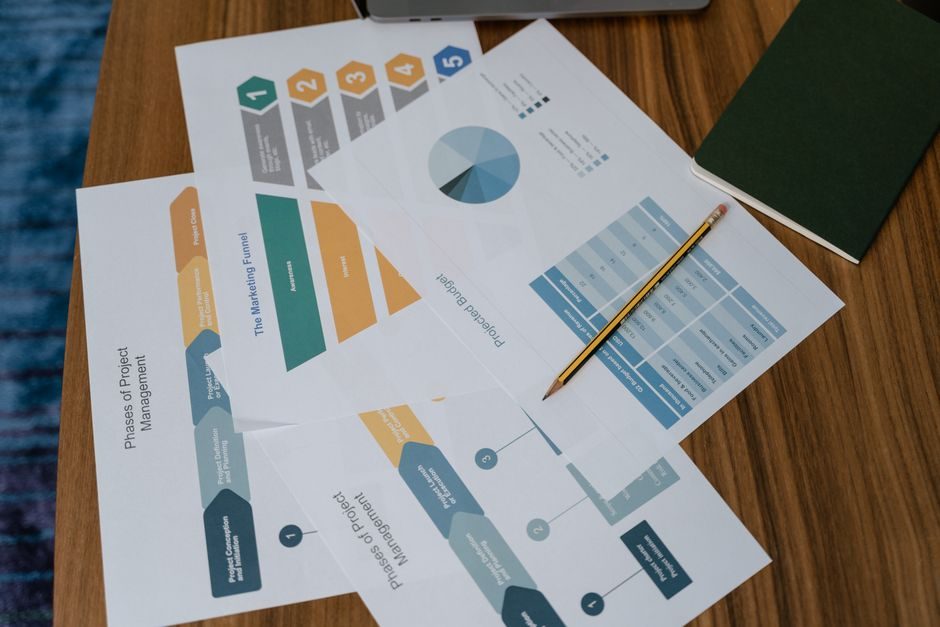
Step-by-step campaign setup
Outline a practical schedule from pre-launch to post-event follow-up. Define milestones, responsibilities, and decision rights to keep the project on track. This clarity reduces delays and miscommunication.
Develop a launch toolkit with templates for emails, landing pages, and social posts. A consistent set of assets makes cross-channel deployment faster and less error-prone.
Monitor performance in real time and adjust spend or creatives as needed. A nimble approach helps maximize reach without overspending.
- Create a clear schedule
- Prepare a reusable asset kit
- Track performance and optimize
Frequently asked questions
How does this guide apply to non-technical audiences?The core ideas—clear messaging, tested formats, and accountable partnerships—translate to non-technical readers by focusing on value, credibility, and ease of action. Tailor examples to the audience while preserving the discipline of iteration and measurement.
What if an event has multiple topics or tracks?Group topics into a few high-signal themes and create targeted ads for each. Use landing pages that reflect those themes and align with specific speaker or track highlights to improve relevance.
How can I ensure ads respect user privacy?Push for opt-in data collection, avoid sensitive data, and label sponsorships clearly. Use generalized audiences and platform-provided targeting options that comply with policies.
What’s a practical first-step for a new campaign?Define one concrete goal, such as registrations from a single channel, and prepare a minimal set of assets. Launch a small test to validate assumptions before scaling.
Conclusion
Takeaway: a steady, methodical approach yields reliable results for tech event ads. Begin with clear goals, test methodically, and document outcomes for future use. The next step is to codify what works into reusable templates and plans.
Next step: assemble a lightweight execution kit with a one-page partner brief, a landing-page starter, and a simple measurement dashboard. Use it to run your next campaign with less guesswork and more consistency.
Add Bitcoin Altcoin & Crypto Coin News Analysis as a preferred source on Google


