

Tech guide: using online obituaries in the USA thoughtfully
Practical steps for tech readers to locate, verify, and use online obituaries in the USA with clear cautions and reliable sourcing.

When you need obituaries for research, genealogy, or journalism, a clear strategy matters. This guide walks tech readers through finding reliable notices, verifying dates, and respecting privacy while using public memorials online. You’ll learn how to avoid flaky sources and keep your workflow efficient from search to citation.
Across the USA, obituary pages live in newspapers, funeral homes, and community archives. We’ll map trusted paths, show practical checks, and explain how to document sources for tech projects. The goal is a reproducible approach that saves time and reduces errors.
By the end, you’ll have a concrete plan to locate, compare, and record obituaries online, with a focus on accuracy, ethics, and ease of use for any project.
- This guide teaches precise steps to locate, verify, and archive USA obituaries using reputable sources. It emphasizes cross-checks, ethical use, and reproducible workflows.
- You’ll learn how to distinguish free and paid archives, how to archive records, and how to document sources for transparent reporting.
- Expect concrete examples, practical checklists, and clear caveats to avoid common mistakes and protect privacy.
Basics: where to start
Source types and access
Begin with recognized sources: major newspapers, funeral homes, and public archives. Each type has different indexing, and some offer full-text scans. Start with a core set and expand only as needed. online obituaries in the USA provide foundational data for verification and context across multiple sources.
Look for consistent metadata like dates, hometowns, and service notes. These details help verify timelines and cross-check with other records. If a notice lacks basic data, treat it as a red flag in your workflow.
Avoid relying on a single source for critical facts; corroboration reduces errors and strengthens credibility.
- Cross-check death dates across at least two sources
- Record publication locations for context
- Note the obituary’s publication date and any reprints
Search strategies and filters
Use advanced search operators and site filters to narrow results by state, city, or date range. This saves time and reduces irrelevant hits.
Set up a simple workflow: collect candidates, verify with a second source, then archive links and screenshots. A lightweight checklist keeps you consistent.
Be mindful of obituaries posted to community boards or university archives, which may have different indexing rules.
- Limit searches to reputable domains
- Use date ranges close to the event
- Keep a running bibliography of URLs with timestamps
How to verify information

Cross-source checks
Compare obituary facts across at least two independent sources. Date of death and service details should match closely. When discrepancies arise, flag them for deeper review. businesstv.net news can be a useful companion for tech news and industry updates when relevant to obituaries
Consider the reliability of the publisher: established newspapers and funeral homes tend to maintain consistent records. Sensible notes help you decide which source to trust.
Documentation matters: write down where data came from and when you checked it, so you can reproduce the result later.
- Match dates across sources
- Note locations of services
- Record publisher names
Citing respectfully
When you plan to quote or reference an obituary, preserve exact wording carefully and credit the source. If you paraphrase sensitive details, keep it accurate and neutral.
Avoid sensational framing; objective tone protects your credibility and minimizes misinterpretation.
Store citations with your project files so readers can verify provenance if needed.
- Quote only with precision
- Maintain neutral language
- Attach full citation details
Options for access and storage
Free vs. paid access
Some obituary databases provide free notices, while others sit behind a paywall. Evaluate whether the value justifies the cost for your project. USA events calendar can offer timing context for service notices and anniversaries
Free sources often have gaps; paid entries can offer more complete metadata and longer archives. Choose based on your needs and budget.
Keep a note of access limits and license terms so you don’t encounter re-use problems later.
- Identify essential data fields
- Assess archive completeness
- Record any access restrictions
| Option | Pros | Cons |
|---|---|---|
| Cross-source checks | Improved accuracy | Requires more time and sources |
| Free vs paid access | Low cost | Gaps in coverage |
| Archiving formats | Stable records | Requires storage management |
Archiving and export options
Automate simple captures of obituary pages for archival integrity. Use stable formats like PDF or plain text where possible to minimize drift in future checks.
Consider versioning: save updated notices if corrections appear or retractions are issued.
Keep exports organized by source and date to ease future audits or citations.
- Use consistent file naming
- Include source URL and date captured
- Store copies in a central repository
Legacy notices may omit information now considered standard, such as middle initials or birthplaces.
Pitfalls to avoid
Misinterpreting legacy notices
Older obituaries can be misdated or moved to different archives. Treat archival entries with caution and verify against current records when possible. get your business listed in the USA helps you understand how to be present in public professional notices
Legacy notices may omit information now considered standard, such as middle initials or birthplaces. Don’t assume completeness.
Regularly review archived material for retroactive corrections that influence your work.
Privacy and ethical use
Obituaries contain sensitive personal data. Use the information responsibly, especially in local reporting or datasets that may be publicly accessible.
Limit distribution of full names or dates when publishing outside formal contexts unless you have a clear purpose and permission.
Respect legal and ethical boundaries, and redact details when appropriate for your project.
Legal considerations and rights
Copyright and reuse rules
When using obituaries for research, respect copyright and licensing rules for the text and images. Some databases restrict reuse beyond personal reading, while others offer APIs or permission-based access. Check terms of service before exporting notes or archiving content. advertise a job vacancy in the USA is a potential outreach action that could be mentioned alongside obituary notices when discussing professional memorials or community announcements.
- Verify the license for each obituary you intend to reuse.
- Record terms and dates of permission.
- If reuse isn’t clearly allowed, look for alternatives like summaries or excerpts under fair use guidance.
Understand privacy expectations for the deceased and their family. Public obituaries may still be sensitive; avoid disseminating personal data beyond what is necessary for your research. When in doubt, contact the publisher for guidance on permitted uses.
Keep records of permissions and licenses you obtain, including dates and contact names. This reduces risk if your project grows or if you publish a compiled obituary dataset. Treat each source as a potential obligation, not a free-for-all download.
- Respect copyright terms
- Document licenses
- Limit data export
- Seek explicit permissions
- Cite sources when possible
Data quality and provenance
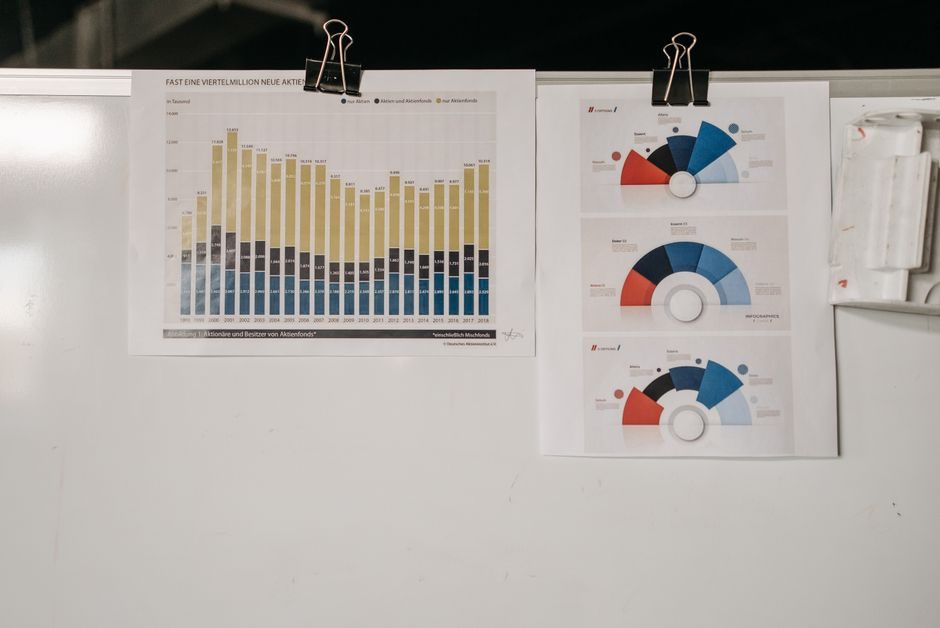
Source reliability and traces
Assess where an obituary originates—newspaper, funeral home, or public archive. Each source carries different reliability levels and update frequencies. Prefer notices that include a publish date, reporter name, and a clear obituary link or reference.
- Record the exact source name and URL.
- Note the access date for each fact.
- Flag any inconsistencies with a brief note on resolution.
Cross-check key facts like birth date, death date, and location against multiple records. When discrepancies appear, note them and seek primary sources or official records. This habit saves time later in your research.
Document the provenance of every detail you record. A simple log with source name, access date, and URL helps rebuild the trail if questions arise. Good provenance makes your work auditable and trustworthy.
- Cross-check with multiple sources
- Look for official records
- Log source details
- Note discrepancies
- Keep a reproducible trail
Advanced search techniques
Boolean operators and filters
Efficient obituaries research benefits from precise queries. Use boolean terms like AND, OR, and NOT to combine names, dates, and locations. Narrow results with date ranges and site filters to reduce noise.
Test small variations of a name and associated keywords to account for typos or alternate spellings. Save successful queries as presets to speed up future work.
Keep a running note of the most effective search strings and update them if a database changes its syntax or indexing. This habit preserves your momentum over time.
- Use exact-name searches
- Apply date ranges
- Employ site-specific filters
- Test name variants
- Save query presets
Future-proofing your obituary research

Archiving for long-term access
Design an archiving plan early to keep obituary research accessible. Use local storage alongside cloud backups, and structure folders with consistent naming conventions. Include metadata files that describe source, date, and scope.
- Back up in at least two locations.
- Keep metadata for every item.
- Run integrity checks on a schedule.
Choose widely supported formats for text and images to minimize future conversion work. Regularly refresh storage media and verify file integrity with checksums. Plan for migrations before formats become obsolete.
Develop a governance routine: review permissions, replace broken links, and prune outdated notes. A stable workflow reduces friction if your project scales or moves to a new platform.
- Use dual backups
- Maintain metadata
- Schedule periodic checks
- Plan format migrations
- Establish governance processes
Frequently asked questions
How do I verify the accuracy of an obituary detail when sources conflict?Start with the most authoritative source, such as a published obituary from a newspaper or a funeral home. If discrepancies persist, seek official records or county archives and document the differences. Record which source resolved the conflict and why, so future researchers understand the decision path.
What counts as a legal use of obituary text in a tech article?Use should align with the source’s license and your intended publication. When reusing verbatim text, ensure you have permission or that the use falls under a permissible license. If you paraphrase, attribute the source clearly and avoid presenting the text as your own.
How can I protect privacy while researching obituaries?Limit sharing to essential facts and avoid sensitive details such as private addresses or contact information. When possible, rely on official notices that already redact or summarize personal data. Always consider the potential impact on families before publication.
What is a practical workflow for ongoing obituary research in tech reporting?Create a reproducible process: validate licenses, log provenance, archive with metadata, and set up a routine for backups and link checks. Use templates for queries and keep a running notes file to capture decisions and uncertainties as you go.
Conclusion
Takeaways from this guide include respecting licensing, tracking data provenance, and building a durable archive for obituary research. Start with clear licensing checks, then document sources and decisions as you go. Use advanced search to stay efficient and plan for long-term access from the outset.
A practical next step is to apply these practices to a current project, verifying every fact across multiple sources and maintaining a transparent record of sources and decisions. Establish a repeatable workflow that you can reuse for future research tasks in technology reporting.
Add Bitcoin Altcoin & Crypto Coin News Analysis as a preferred source on Google


